Our Mathematics Curriculum
What does the Mathematics Curriculum look like at Bangabandhu?
At Bangabandhu, we believe that all children are mathematicians. Mathematicians are curious, creative, and flexible in the way they think.
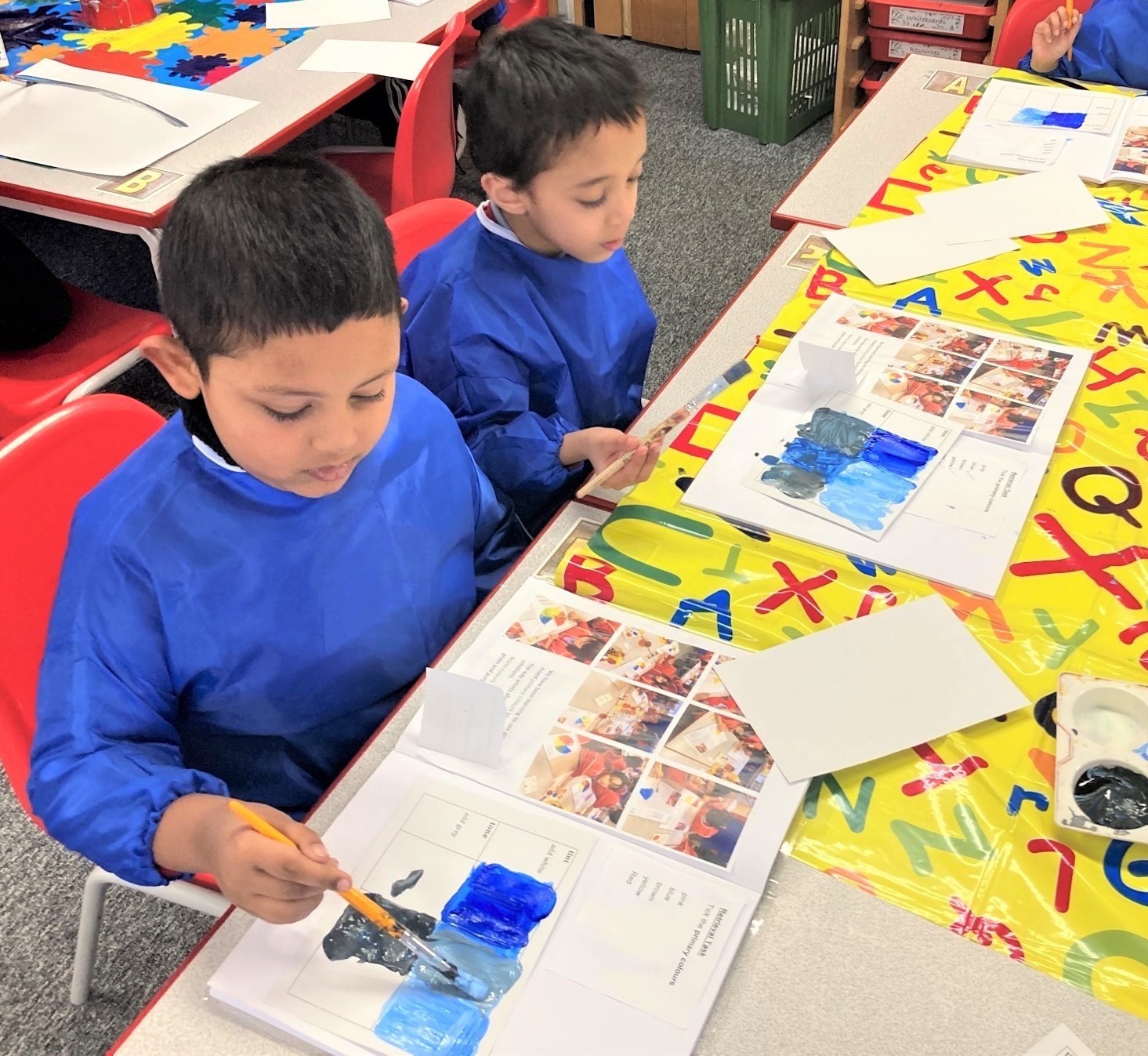
The curriculum is taught through units of work that are broken down into small, coherent steps. These small steps enable each child to build on prior knowledge, apply what they have learned, and deepen their understanding. The key components of our curriculum are practice, retrieval, the development of key mathematical vocabulary, mathematical thinking, and independent application. Our maths curriculum is progressive, building on skills taught each year.
As an inner-London school, we serve a diverse community of learners and have high expectations for all. Our focus on developing and embedding key mathematical vocabulary enables children to articulate their understanding of mathematical concepts. Our use of manipulatives allows all children to demonstrate their understanding through practical application, and our progression of tasks enables them to apply their understanding to real-world problems, making the maths meaningful.
A Prescribed Lesson Structure
All lessons are planned by teachers using PPTs with the following structure:
Counting
5 minutes taken from progressive counting steps.
Learn Its
Termly number facts planned across the year.
It’s Nothing New
Planned retrieval tasks taken from curriculum. Always focused on previous termly objectives.
Oracy style – problem (agree, challenge, build).
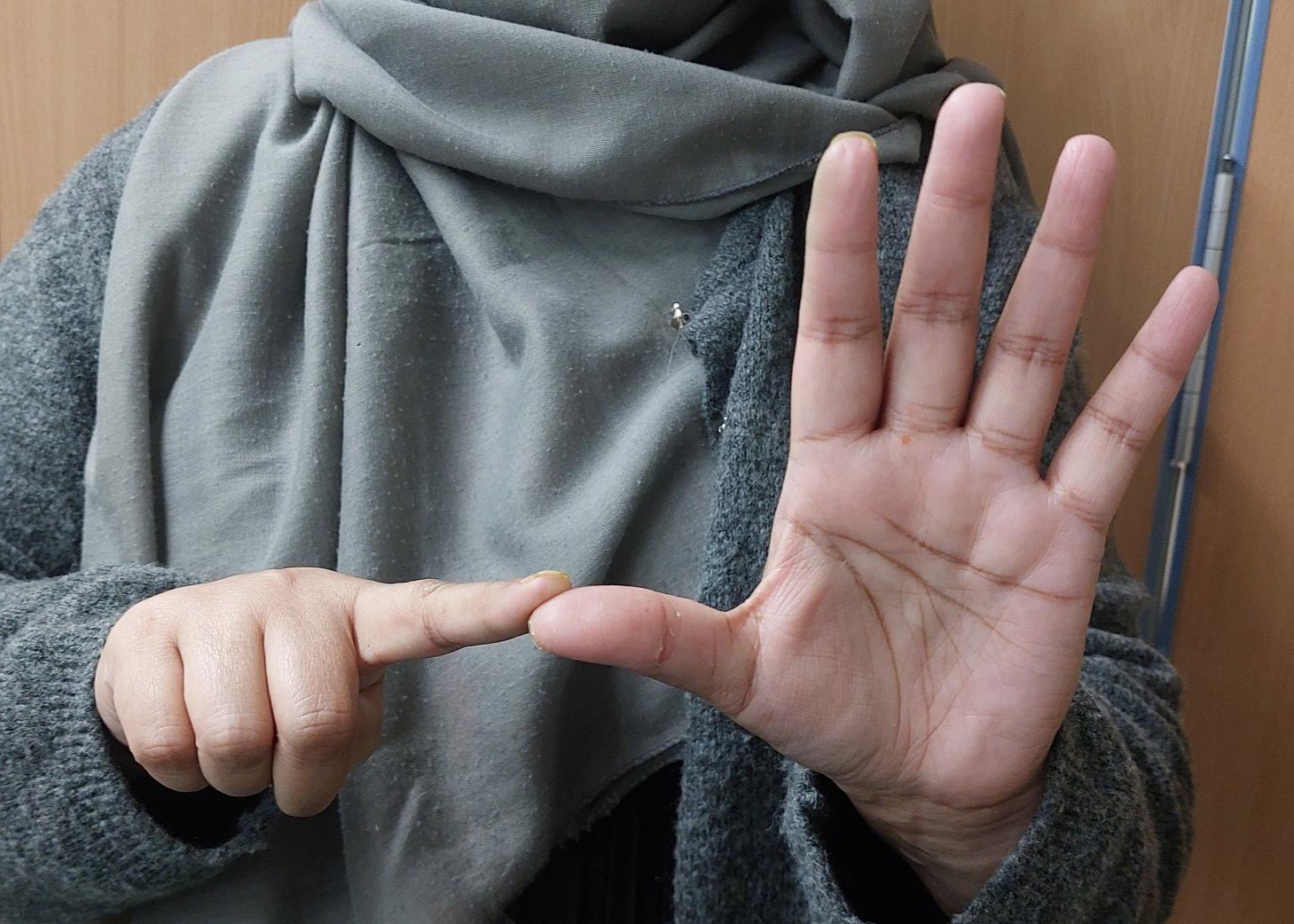

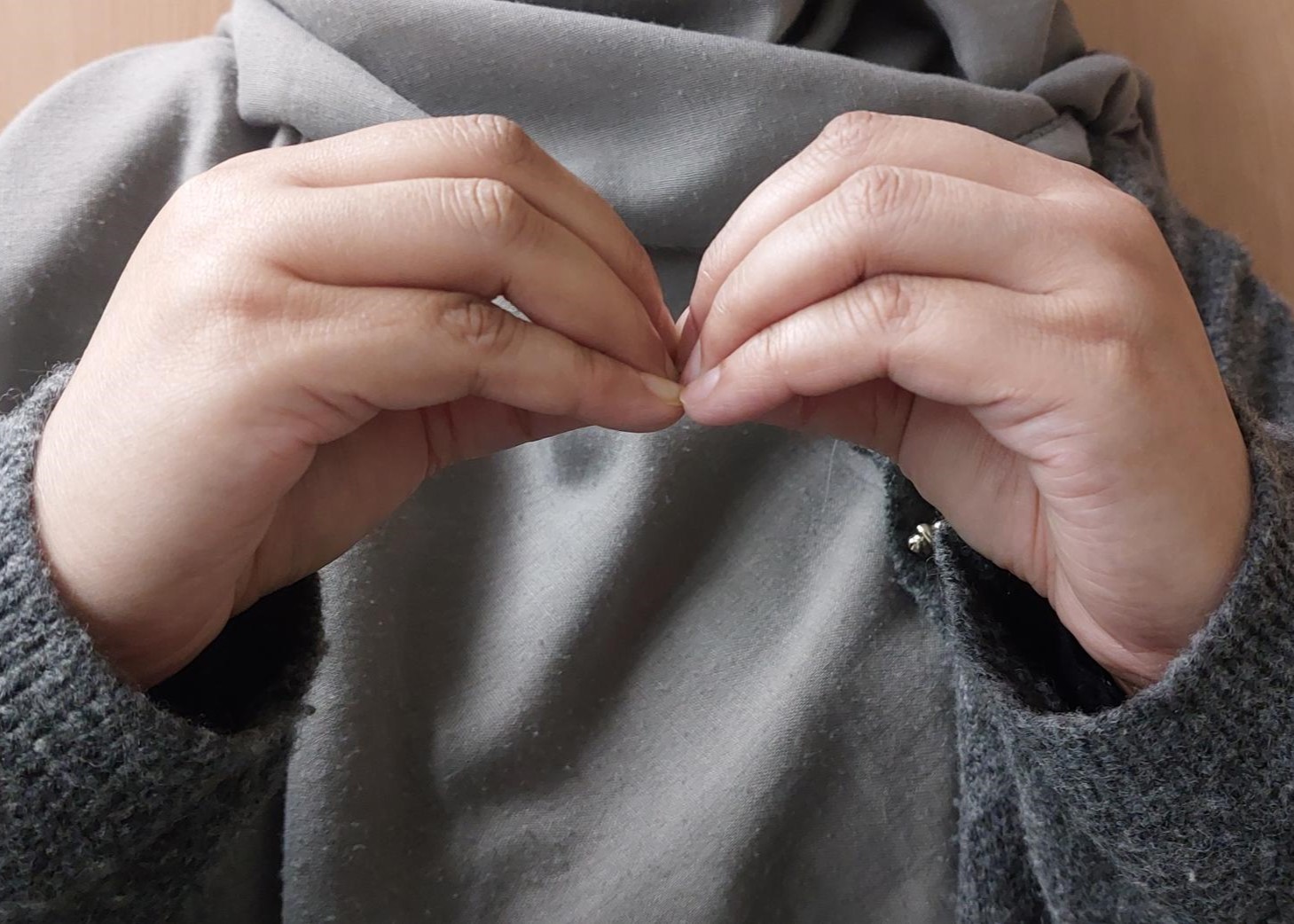
Arithmetic
Fluent in five will be used for Year 2 – 6
Monday, Tuesday and Wednesday: pupils practise and discuss key arithmetic concepts (day 1-3 questions).
On Thursday, day 3 and 4 questions are used as the weekly assessment.
New Learning
Using unit planning. Each lesson will focus on small step of learning.
Coherent Sequencing
Our primary maths curriculum is organised into a clear, logical teaching sequence spanning Years 1–6. It integrates the DfE’s Curriculum Prioritisation Guidance.
All units are delivered following the principles of maths mastery, exploring coherence, representation and structure, fluency, mathematical thinking, and variation. Professional development training is provided throughout the year to develop both subject knowledge, pedagogy and teaching practice. Teachers will make adaptations to meet the needs of their pupils and settings. Pupils will be encouraged to deepen their understanding by solving reasoning and strategy problems.
- Lower Attaining (LA) and SEND pupils will be scaffolded and will spend more time on key concepts, focusing on honing understanding and reducing cognitive overload. (See the adaptations page at the end of this document.)
Key Vocabulary
Key Vocabulary will be introduced and used at the start of every lesson.
Advancing and Deepening Tasks
Units of work are built on throughout the year. For example, in Year 2; they are introduced to addition and subtraction of 2-digit numbers, which is then revisited in the following term (advancing). In the Summer term, deepening tasks will be explored; applying knowledge with less teacher modelling and more pupil application.
Assessment
Weekly Assessment
Key Stage 1: Weekly CLIC and Learn Its will remain based on objectives (starting from October half term for Year 1)
This will double up as their arithmetic practise for Year 1, the teacher will model arithmetic procedures such as doubling numbers and pupils will practise.
Key Stage 2: Weekly CLIC and Learn It’s as well as arithmetic assessments.
The arithmetic assessments will build progressively over the year based on taught skills. Roughly 10 questions each week will form an assessment, based on taught skills.
Termly Assessment
Three assessment points across the year in Autumn, Spring and Summer will be a summative assessment based on taught content and aligned with the curriculum.
Mastering Number
Mastering Number is a programme carefully sequenced, starting in Reception which teaches children all about number. It is a progressive programme, which builds year on year. (Taught 4 x weekly in KS1 and 3x weekly in year 3 – year 5).
Aims of the programme
- Develop strong number sense in children, with a deep understanding of number and place value.
- Secure fluency in calculation and confidence in manipulating numbers mentally.
- Improve children's ability to reason mathematically, spotting patterns and relationships.
- Provide consistent teaching approaches across schools to ensure equity in early maths education.
- Equip teachers and teaching assistants with strategies and knowledge to support children's mathematical development effectively.
Mastering Number - Reception and Key stage 1 - 4 sessions x weekly
Reception uses mastering number as their main teaching for 31 weeks of the year. Shape, space and measure are taught during additional weeks and explored through continuous provision. Maths is always linked to the real world and is physical. Language is a key factor in the planning, introducing and developing the use of mathematical vocabulary. Assessment is broken down into precise objectives for number and shape and space.
Assessment points Reception Summer (number).docx
Shape, space and measure assessment points Reception.docx
Impact
We want all children to see themselves as mathematicians who can apply taught skills, make connections, and reason effectively. We aim for all children to feel confident using mathematical language, to solve problems independently, and to think deeply about mathematical concepts. Our curriculum is built around the principles of maths mastery, and through its consistent implementation across the school, children will leave Bangabandhu fluent in number facts and driven by a curiosity to problem-solve.
Year Group Curriculum Overviews
Reception Shape & Space Objectives
Maths Curriculum within our Autism Specialist Classes
We currently have three specialist classes for children with autism: Explorers Class, Discoverers Class, and Pioneers Class. These classes are designed to meet the individual needs of pupils, ensuring they receive highly tailored support, specialist teaching, and the highest level of care.
Our provision is developed in partnership with Phoenix School, and is supported by additional funding from Tower Hamlets, enabling us to deliver a more specialised provision.
Explorers Class supports children with autism who are working between Steps 1–14 on the Phoenix Steps and are Social Partners on the SCERTS Model.
Discoverers Class and Pioneers Class supports children with autism who are working between Steps 15–24 on the Phoenix Steps and are Language Partners on the SCERTS Model.
How Does this Adapted Maths Curriculum Work?
The maths curriculum for these classes focus heavily on ensuring highly visual, concrete, and functional learning experiences rather than following rigid chronological year-group schedules.
Maths is taught as a daily core subject within the specialist classes
The Explorers Pathway (Learning through Engagement)
The Discoverers Pathway
The Pioneers Pathway
Maths Curriculum within our Severe Learning Difficulties Inclusion Base
Within our Severe Learning Difficulties Inclusion Base mathematics is not divided by standard chronological year groups. Instead, it is split into two distinct developmental pathways to match how children with severe learning difficulties process concepts, communicates, and engages with the world.
The Discoverers curriculum if for informal learners and the Explorers is for those children who have progressed to more semi formal learning.